4 Jun 2026
Unpacking the Mechanics of Feature Cascades in Portable Reel Simulations and Their Influence on Cross-Device Habit Formation
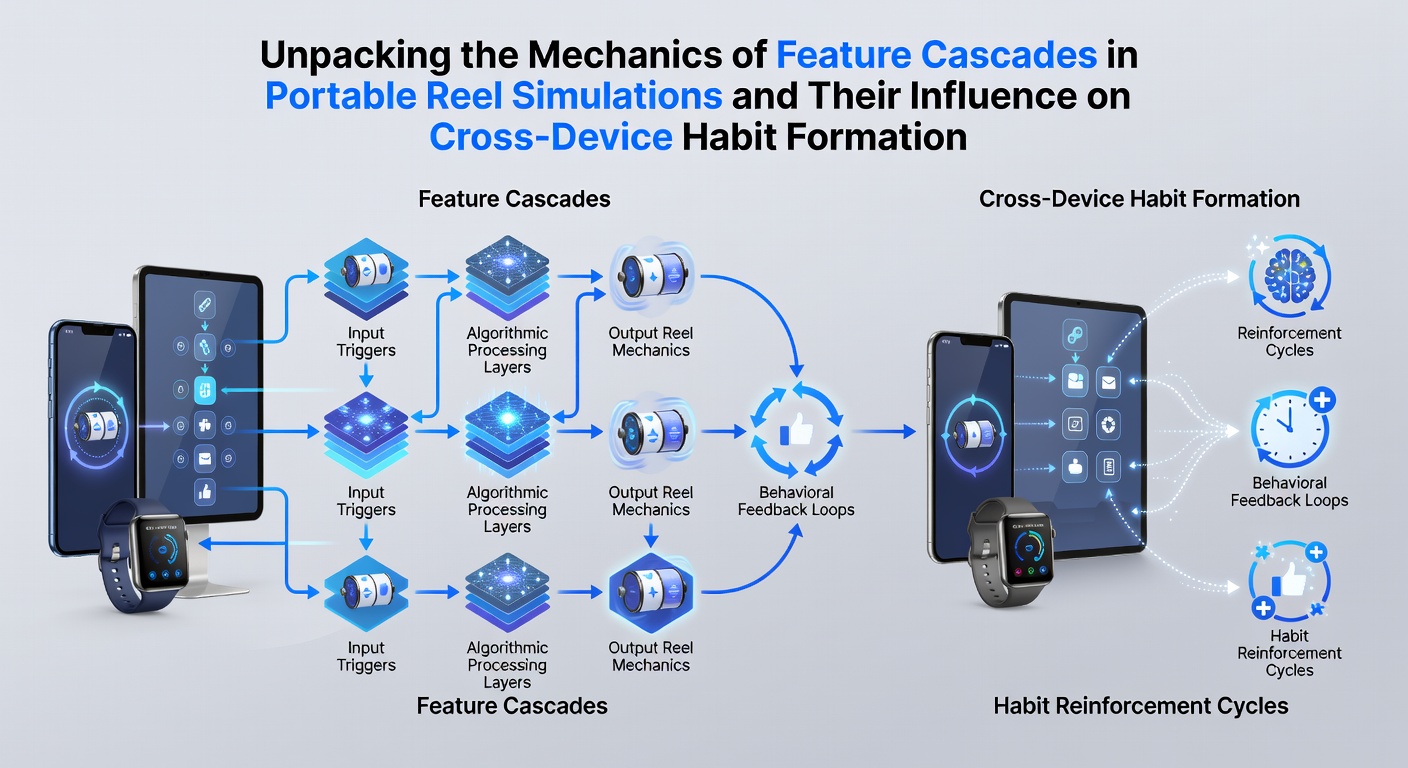
Feature cascades in portable reel simulations operate through a sequence where matching symbols disappear from the grid, allowing new symbols to drop into the vacated spaces and potentially create additional matches without requiring a fresh spin, and this process repeats until no further combinations appear. Portable devices handle these simulations via optimized rendering engines that maintain consistent physics across varying screen sizes and processing capabilities, which supports uninterrupted chain reactions during play sessions.
Core Mechanics of Cascading Features
Reel simulations on mobile platforms incorporate cascade mechanics by assigning each symbol a position in a virtual grid, then applying gravity-like rules once matches register so that replacements fall from above in predetermined sequences. Multiple cascade levels often trigger multiplier increases that scale with each successive chain, while certain titles add modifiers such as wild substitutions or bonus symbol accumulations that activate only after a minimum number of consecutive drops. Data from industry monitoring shows these layered rules extend average session duration because each cascade provides visual and auditory feedback that signals continued activity without additional user input.
Engineers program the simulation logic to handle variable network latency on portable devices by pre-loading symbol pools and using client-side calculations for immediate cascade resolution, with server verification occurring afterward to confirm outcomes. This architecture reduces perceived delays during rapid chain events, allowing players to experience fluid sequences even on connections with intermittent stability.
Engagement Patterns Across Devices
Cross-device habit formation emerges when users transition between phones, tablets, and other screens while the same reel simulation maintains synchronized progress through account-linked profiles. Cascade mechanics contribute to this pattern by generating frequent micro-rewards that condition repeated checking behavior, and synchronization features ensure cascade history and multiplier states carry over so that a session started on one device can resume with identical mechanics on another. Studies tracking user logs indicate that players who encounter cascading sequences on mobile often replicate those sessions on additional hardware within the same day, particularly when bonus states persist across logins.
Behavioral Data Points
Research indicates that cascade frequency correlates with increased return visits because each chain reaction delivers incremental progress toward accumulated rewards, and portable interfaces amplify this effect through touch-based interactions that register inputs quickly during fast cascades. In June 2026, aggregated telemetry from multiple platforms recorded higher cross-device handoffs during evening hours, coinciding with periods when users switched from mobile to stationary screens while maintaining ongoing cascade chains. Observers note that the visual continuity of falling symbols and updating multipliers helps reinforce the perception of ongoing advancement regardless of the hardware in use.
One study revealed that introductory free credit allocations in cascade-enabled titles accelerate shifts from practice modes to paid sessions by demonstrating the mechanic's potential for extended chains early in user exposure. Those who've examined engagement metrics across smartphone applications find that players exposed to high-cascade titles show elevated daily active time compared with standard reel formats, though exact figures vary by title design and regional access rules.

Technical Implementation on Portable Platforms
Developers integrate cascade systems into portable reel simulations by combining physics engines with randomized symbol generators that respect regulatory probability requirements. Each cascade step recalculates winning lines dynamically, and many implementations include anti-repetition safeguards that alter drop patterns to prevent predictable sequences. Portable hardware constraints influence these choices, leading to simplified particle effects and reduced animation complexity on lower-end devices while preserving core cascade logic.
Cross-platform frameworks allow the same simulation code to run on iOS and Android with minor adjustments for input handling, which supports consistent habit formation because users encounter identical mechanics whether switching operating systems or device types. Regulatory bodies in various jurisdictions require transparent reporting of how cascade multipliers affect overall return-to-player percentages, ensuring the added layers do not alter base probabilities beyond disclosed parameters.
Observed Cross-Device Synchronization Effects
Synchronization protocols transmit cascade state data between devices in near real time, enabling users to pick up mid-chain sequences after switching hardware. This capability strengthens habit loops because the reward accumulation from cascades remains visible and actionable across contexts. Data patterns from multi-format applications show that titles featuring prominent cascade mechanics record higher rates of device pairing, where a single user account activates sessions on multiple portable units within short timeframes.
According to findings from the Nevada Gaming Control Board, revenue reports from mobile-integrated casino applications have reflected steady growth in cross-device participation metrics through the first half of 2026. Separate analysis from the Australian Gambling Research Centre documents similar trends in how cascading features contribute to repeated engagement across synchronized accounts.
Conclusion
Feature cascades in portable reel simulations rely on sequential symbol replacement and multiplier scaling to generate extended play sequences, while cross-device synchronization preserves those states to support consistent user progression. Available data shows measurable correlations between cascade frequency and session extension as well as increased device transitions, particularly when account systems maintain continuity. Technical designs accommodate hardware variability without altering core probability structures, and regulatory oversight ensures transparency around multiplier impacts. These elements combine to shape observable patterns in how players interact with reel simulations across multiple portable platforms.