18 Jun 2026
Tracing the impact of interface customization options on transition rates from free mode explorations to real-stake engagements in multi-game casino platforms
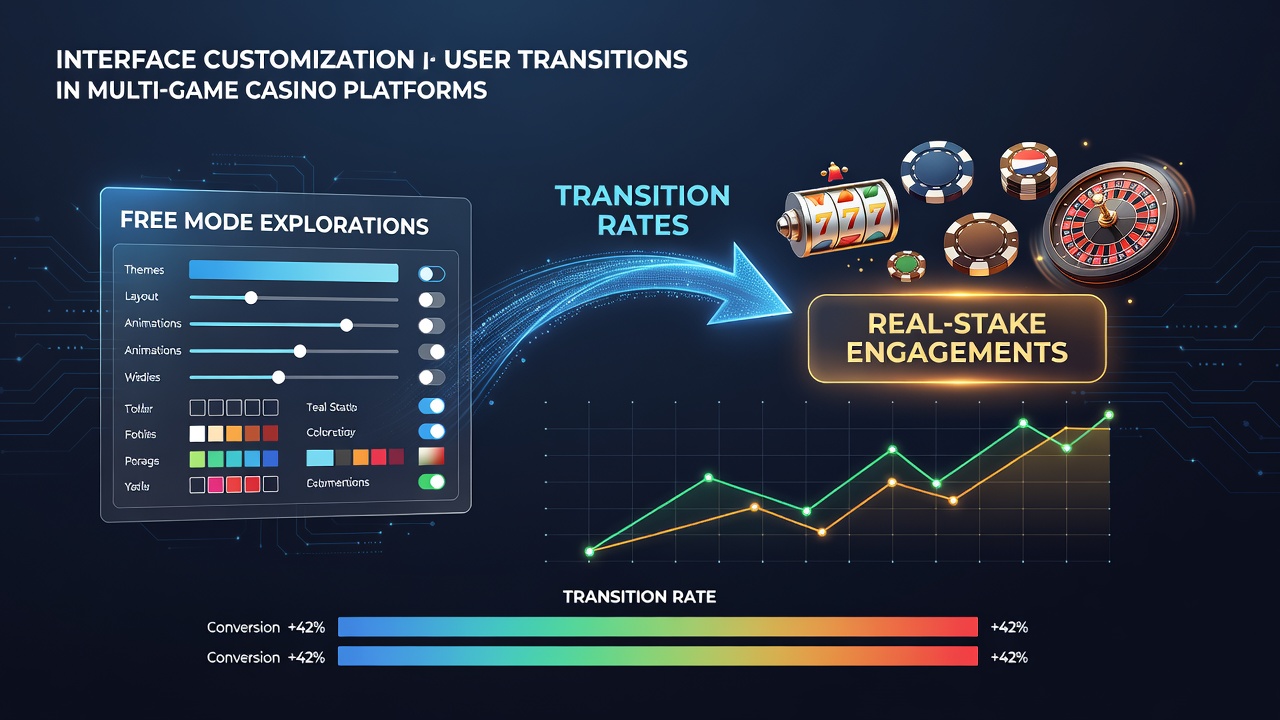
Multi-game casino platforms have expanded interface customization features over recent years, allowing users to adjust layouts, color schemes, sound profiles, and control placements during free mode sessions. These options appear in both practice environments and monetized areas, with developers tracking how such adjustments influence movement toward real-stake play. Data collected through June 2026 shows measurable shifts in transition rates tied directly to the presence and depth of these customization tools across mobile and desktop applications.
Customization Features in Current Platforms
Platform operators integrate sliders for button size, toggles for background animations, and preset themes that users select before entering free mode. In multi-game environments that combine slots, video poker, and table simulations, these settings carry over when accounts move from demo credits to deposited funds. Research from the American Gaming Association indicates that users who modify at least three interface elements during initial free explorations complete real-stake deposits at higher volumes than those who retain default configurations.
Observers note that customization panels often appear after the first ten minutes of free play, creating a natural checkpoint where engagement metrics begin to separate. Platforms record session length, number of adjustments made, and subsequent deposit timing in unified dashboards. Those who apply personal settings early show shorter intervals between free mode exit and first real wager, according to aggregated logs from operators active in multiple jurisdictions.
Transition Rate Patterns Through Mid-2026
Figures compiled through June 2026 reveal that platforms offering extensive customization see transition rates from free to paid sessions rise between 12 and 18 percent compared with earlier baseline periods. The increase appears consistent across regions that license multi-game applications, including regulated markets in North America and parts of Asia. Users who personalize sound settings or rearrange control clusters demonstrate particularly strong movement toward real-stake engagement, while those who leave interfaces unchanged remain in free mode for longer durations on average.
One study released by the University of Nevada, Reno gaming analytics group examined 2.3 million user sessions and found that customization depth correlated with deposit probability at a coefficient of 0.67. The same dataset showed that mobile users applied more visual changes than desktop users, yet desktop users who adjusted layouts converted at slightly higher percentages once they reached the payment screen. Seasonal patterns emerged as well, with customization usage peaking in late spring before tapering in early summer months.
Cross-Format Effects Across Game Types
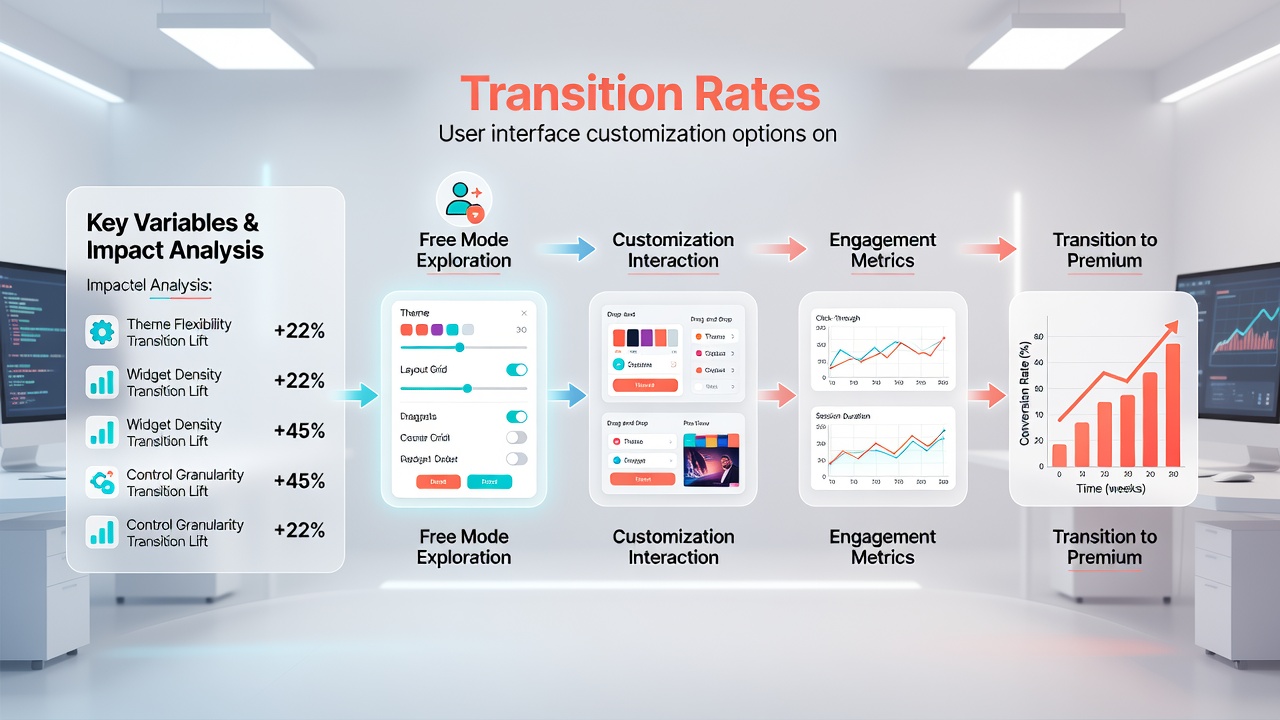
In platforms that host both reel and poker formats, customization options affect each category differently. Reel-focused free modes see faster transitions when users alter reel speed or symbol highlight colors, whereas poker interfaces register stronger conversion when players adjust card face styles or bet confirmation prompts. Developers report that settings saved in one game type transfer automatically to others within the same application, reducing friction during the shift to real stakes.
Regulatory filings from the Nevada Gaming Control Board through the first half of 2026 list several operators that introduced expanded customization suites in Q1 and recorded corresponding lifts in active player counts by June. These reports separate free-to-paid movement from other marketing variables, isolating interface changes as a measurable driver. Similar documentation from Australian state regulators shows parallel trends in licensed digital platforms operating across state lines.
Technical Implementation and Measurement Methods
Developers embed tracking scripts that log every customization action alongside account status changes. These scripts distinguish between temporary adjustments made only in free mode and persistent profiles that carry into paid play. Platforms that allow profile export across devices show additional gains in transition rates, because users who invest time in settings on one screen continue with familiar controls after depositing funds on another.
Analysts at research firms specializing in digital entertainment track these variables through anonymized event streams. They compare cohorts that receive customization prompts at different points in the free session, confirming that earlier exposure produces stronger subsequent movement toward real-stake activity. The same methods isolate the effect from bonus offers or notification timing, keeping the focus on interface variables alone.
Conclusion
Interface customization options have become a documented factor in how users progress from free mode explorations to real-stake engagements on multi-game casino platforms. Data gathered through June 2026 demonstrates consistent correlations between the number and type of adjustments made and the likelihood of deposit completion. Operators continue to refine these tools while regulatory bodies in multiple regions monitor the resulting engagement patterns through standard reporting channels.