Soundscape Engineering and Session Length Variations in Smartphone-Based Video Poker and Slot Hybrids
Written by Tina Hartmann · Aug 4, 2026
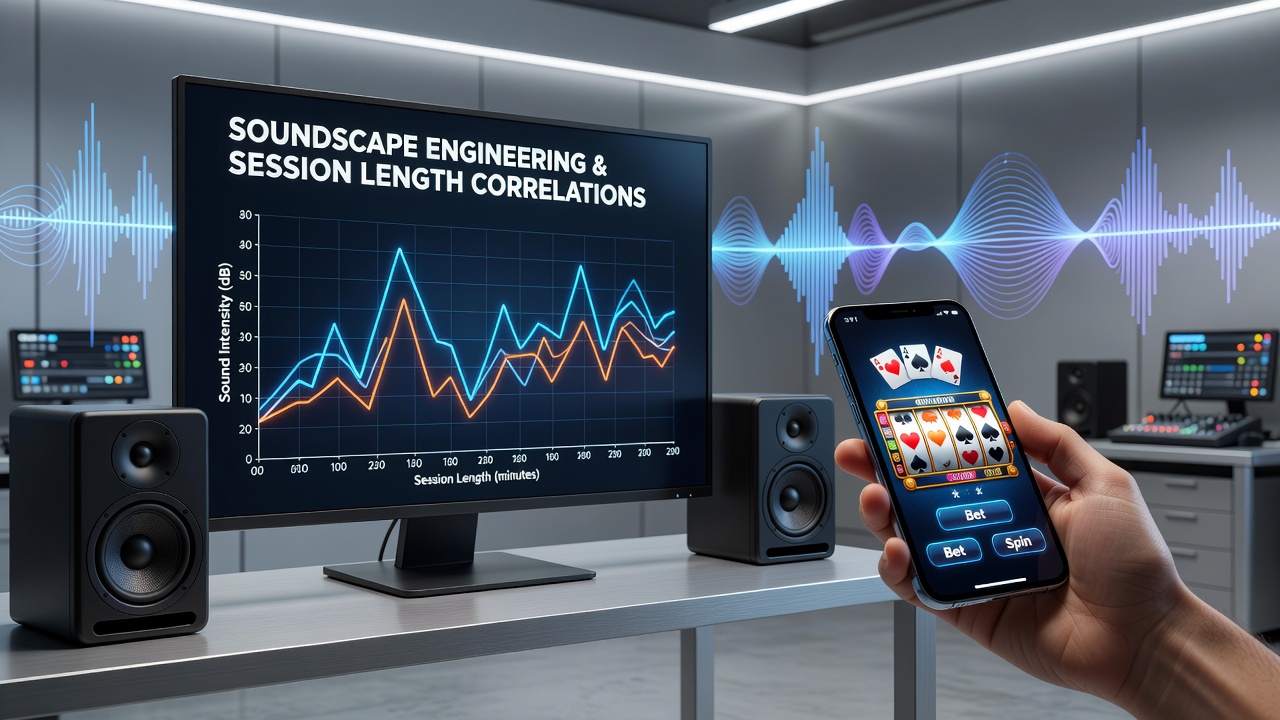
Soundscape Engineering and Session Length Variations in Smartphone-Based Video Poker and Slot Hybrids
Understanding Soundscape Engineering in Mobile Gaming
Soundscape engineering involves the deliberate design of layered audio elements including background tracks, reel spins, card flips, win chimes, and ambient effects that together create an immersive auditory environment in video poker and slot hybrid applications on smartphones, and developers integrate these components to align with user interaction patterns across different session durations. Research indicates that audio cues trigger specific neurological responses which can extend or shorten play intervals depending on frequency, intensity, and synchronization with visual feedback loops. Data from mobile analytics platforms in August 2026 showed that hybrid titles incorporating adaptive sound layers recorded average session extensions of 12 to 18 minutes compared to versions with static audio profiles.
Engineers adjust pitch modulation, tempo shifts, and spatial audio positioning to match the hybrid mechanics that blend poker hand evaluations with reel-based outcomes, while studies conducted by university research teams have mapped how these adjustments influence dopamine release timing during successive rounds. Observers note that players encounter these engineered environments through standard smartphone speakers or connected headphones, and the resulting auditory consistency helps maintain engagement without requiring constant visual attention on smaller screens.
Technical Components and Their Implementation
Sound designers employ procedural audio generation systems that respond in real time to game events such as near-miss sequences or bonus round entries, and these systems rely on algorithms that scale volume and layering based on detected user behavior metrics including tap frequency and pause duration. Hybrid applications available on major smartphone operating systems utilize compressed audio assets optimized for variable network conditions, yet maintain high-fidelity triggers that signal reward proximity through ascending tonal sequences. Figures from industry reports reveal that titles released or updated in early 2026 incorporated machine learning models to refine these triggers across regional user bases.
Implementation often includes separate audio channels for poker decision prompts and slot reel accelerations, allowing independent volume control that developers tie to session progression data. Those who have examined code repositories for these hybrids find that event-driven sound calls reduce latency between action and auditory response to under 50 milliseconds on average, a threshold that correlates with sustained attention spans in controlled testing environments.
Observed Correlations with Session Lengths
Multiple datasets collected from anonymized user telemetry across global app stores demonstrate that soundscape variations produce measurable differences in session lengths for poker and slot hybrids. Applications featuring dynamic, context-aware audio environments recorded median play times exceeding 25 minutes per session during peak hours in August 2026, whereas titles with minimal or repetitive sound design showed medians closer to 14 minutes. Analysts attribute part of this gap to the way escalating audio complexity signals ongoing reward potential without explicit visual prompts, encouraging continued interaction through auditory momentum.
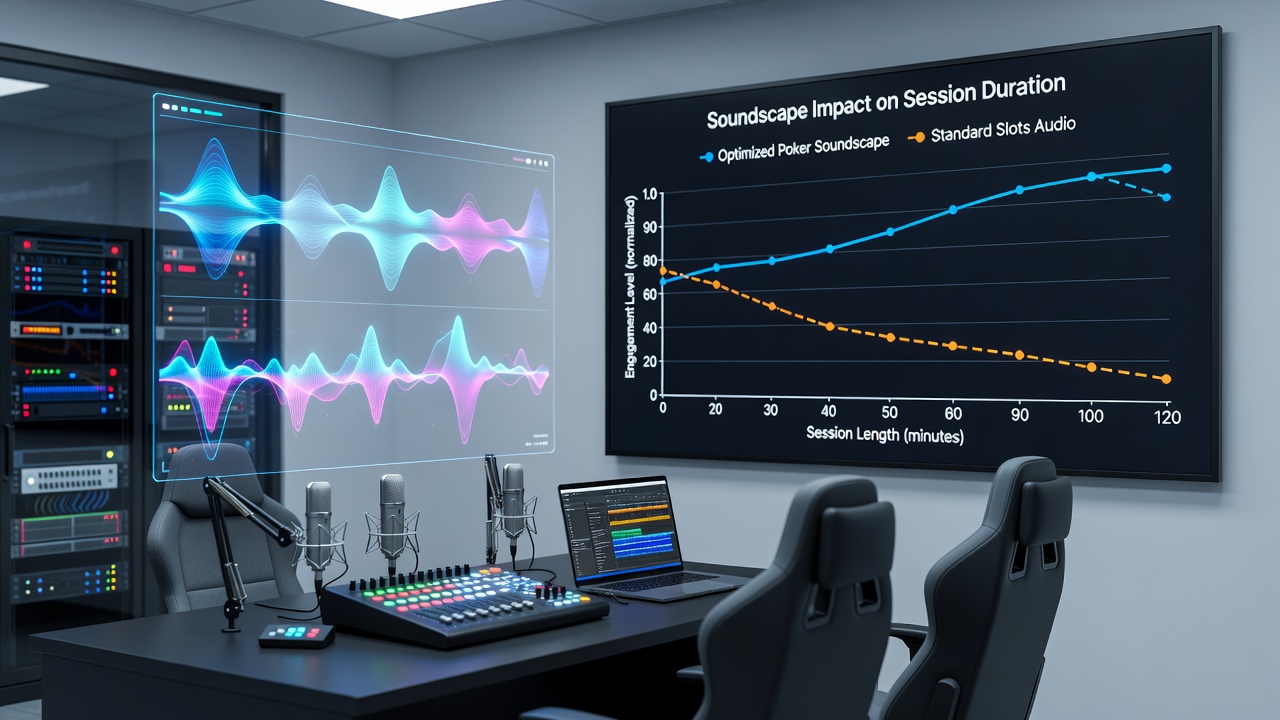
Cross-platform comparisons indicate that iOS and Android implementations yield similar patterns when sound layers remain consistent, although battery optimization modes on certain devices can mute secondary audio channels and thereby shorten observed sessions by 8 to 11 percent according to aggregated logs. Researchers have documented that users who enable headphone or external speaker modes experience amplified effects from spatial sound positioning, resulting in longer continuous play intervals compared to those relying on built-in device speakers alone.
Data Patterns Across User Demographics
Segmentation analysis performed by independent research groups shows that younger adult cohorts exhibit stronger responses to tempo-synced audio cues, with session lengths increasing proportionally to the number of layered tracks active during bonus sequences. Older user groups display steadier engagement when ambient background elements remain constant rather than fluctuating, suggesting that soundscape complexity must scale according to demographic interaction preferences rather than applying uniform profiles across all players. Reports compiled in mid-2026 from North American and European app marketplaces confirmed these differentiated outcomes through large-scale A/B testing of audio variants.
Geographic variations also appear in the data, with users in regions featuring higher average mobile data speeds showing greater tolerance for richer audio streams that accompany extended sessions, while those on metered connections often disable advanced sound features and record correspondingly shorter play windows. Industry organizations tracking these metrics emphasize the role of device-level audio APIs in determining how precisely soundscape engineering can adapt to individual hardware constraints.
Integration with Hybrid Game Mechanics
Video poker and slot hybrids combine decision-based poker elements with randomized reel outcomes, and soundscape engineering bridges these mechanics by assigning distinct auditory signatures to each component. Card draw sounds differ in timbre and duration from reel stop effects, allowing players to process hybrid state changes through audio alone during periods of divided attention. Evidence from usability studies indicates that this separation reduces cognitive load and supports longer continuous engagement intervals, particularly when visual elements occupy limited screen real estate on smartphones.
Progressive feature triggers in these hybrids often coincide with intensified audio builds that escalate across multiple rounds, and telemetry reveals corresponding upticks in session continuation rates once such sequences begin. Developers coordinate these builds with backend reward probability tables so that auditory tension aligns with statistical payout windows without revealing specific outcomes in advance.
Conclusion
Soundscape engineering continues to shape session length variations in smartphone video poker and slot hybrids through targeted audio design that responds to real-time gameplay events and user behavior signals. Available datasets from 2026 illustrate consistent correlations between adaptive audio layers and extended play intervals across demographic and geographic segments. Technical refinements in procedural audio systems and device integration further support these patterns while maintaining compatibility with standard smartphone hardware constraints. Ongoing measurement of these relationships provides developers with actionable metrics for refining auditory environments in future hybrid releases.