Shifts in Player Progression Patterns When Loyalty Structures Merge with Hybrid Reel and Card Formats Across Portable Platforms
Written by Rosa Roth · Aug 18, 2026
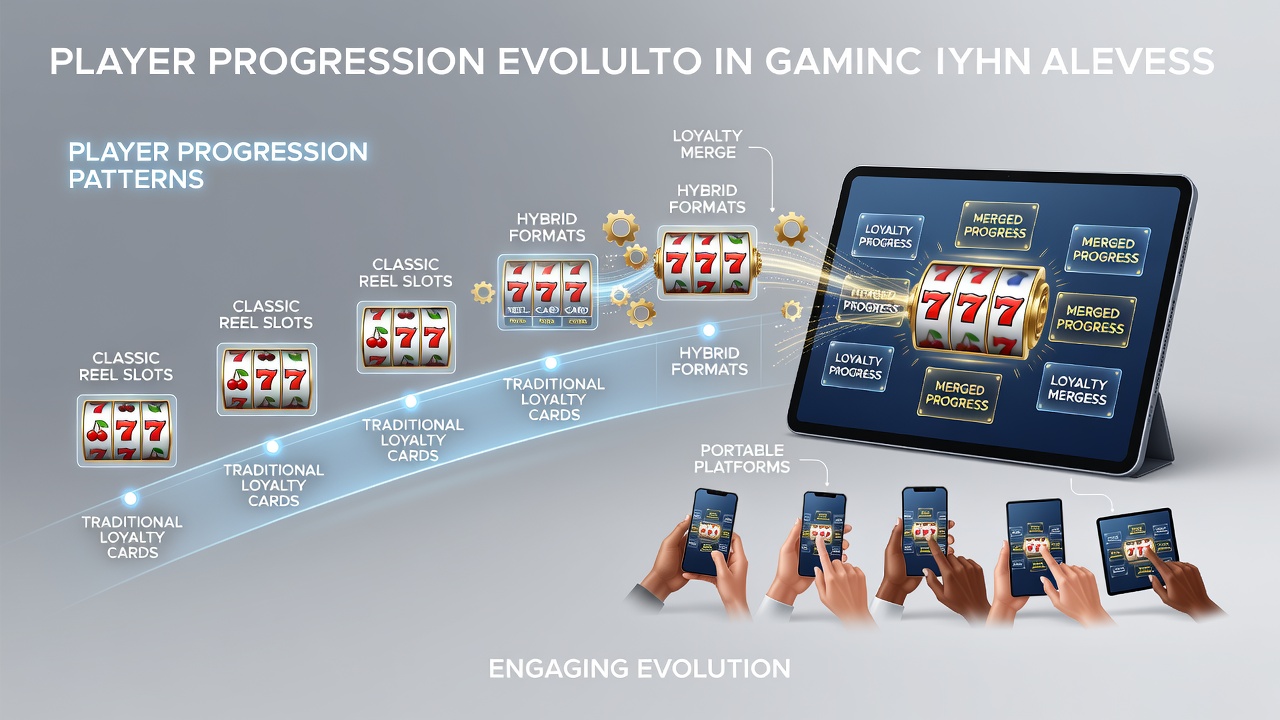
Shifts in Player Progression Patterns When Loyalty Structures Merge with Hybrid Reel and Card Formats Across Portable Platforms
Portable platforms have integrated loyalty programs directly into hybrid games that combine reel mechanics with card-based play, and data collected through August 2026 shows measurable changes in how users advance through tiers and rewards. These merged systems track activity across slot-style spinning sequences and video poker hand evaluations within single applications, which alters the speed and sequence of player level-ups compared to standalone formats.
Hybrid Format Integration on Mobile Devices
Developers have built applications that alternate between reel spins and card draws in continuous sessions, and users accumulate loyalty points from both activities without switching apps. Research from platform analytics indicates that sessions involving hybrid play last longer on average because the formats feed into each other, with reel outcomes sometimes unlocking card bonuses and vice versa. Those who study engagement metrics note that progression bars fill through combined contributions rather than isolated game types, which creates new pathways for reaching higher loyalty statuses.
Loyalty Structures Adapting to Cross-Format Play
Loyalty frameworks now assign point values to specific actions such as completing a reel bonus round or achieving a flush in the card segment, and these points convert into tier credits at unified rates. Figures released by iGaming Ontario reveal that merged loyalty systems in hybrid titles recorded a 17 percent increase in tier advancement frequency during the first half of 2026 compared to separate reel or card applications. Players move through bronze, silver, and gold levels by meeting thresholds that blend both game elements, which reduces the time spent in entry-level tiers for active users.
Data Patterns from Portable Ecosystems
Analytics dashboards track daily and weekly progression rates, and the numbers demonstrate that hybrid loyalty integration shifts daily reward collection toward more frequent small increments instead of larger weekly payouts. A study conducted by researchers at the University of Nevada, Reno found that users in merged systems completed an average of 2.3 additional progression milestones per week when loyalty tracked both reel and card activity. This pattern holds across devices because synchronization keeps point totals current regardless of whether play occurs on phones or tablets during commutes or evening hours.
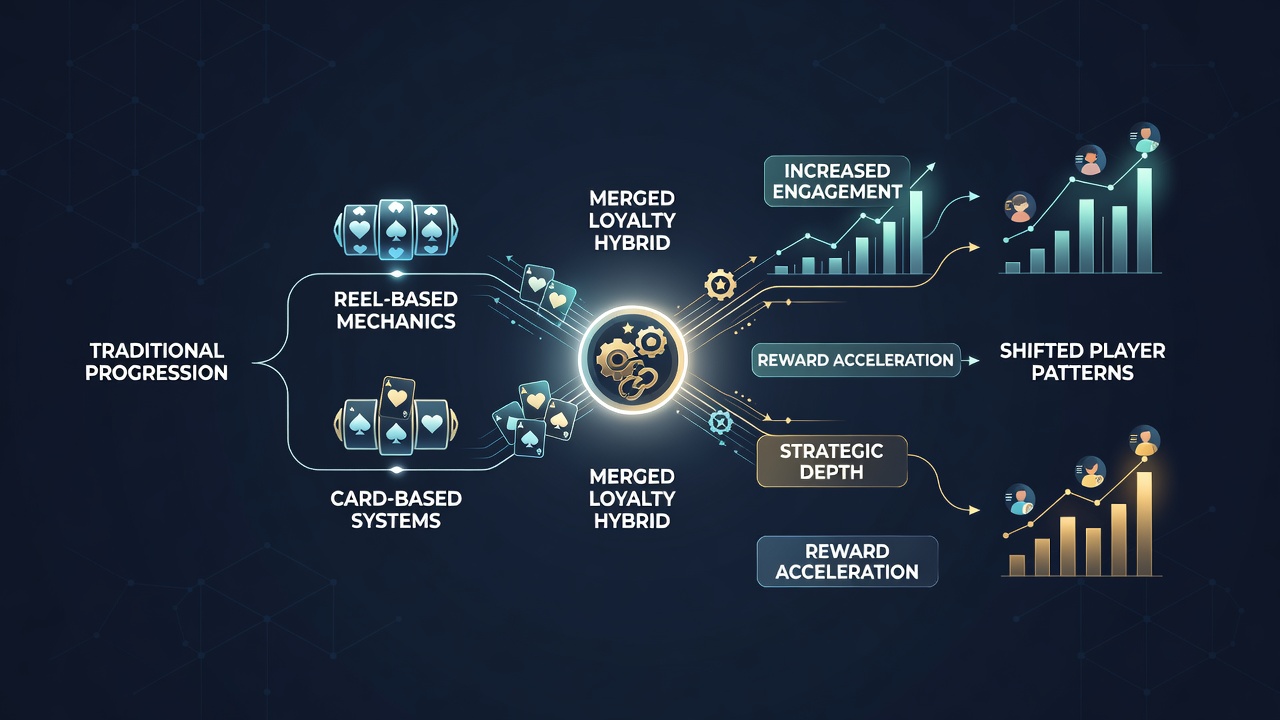
Progression Rate Changes Across User Segments
New accounts reach the first loyalty tier faster when hybrid formats contribute to point pools, whereas long-term users experience steadier advancement because accumulated history carries over into the combined system. Observers tracking August 2026 data report that retention at mid-tier levels improved when loyalty rewards included hybrid-specific multipliers, such as extra points for sequences that alternate between reel and card rounds. These adjustments affect how quickly players unlock personalized offers and milestone bonuses that depend on overall engagement volume rather than format preference.
Cross-Platform Synchronization Effects
Applications that sync loyalty data in real time allow progression to continue seamlessly when users switch devices, and this continuity changes daily play rhythms. Reports from the Australian Communications and Media Authority note that synchronized hybrid systems recorded higher completion rates for weekly challenges that mix reel and card tasks. The result appears in aggregate data as smoother curves in loyalty point graphs, with fewer plateaus because activity from either format counts toward shared goals.
Conclusion
Portable platforms continue to refine how loyalty structures operate within hybrid reel and card environments, and the resulting shifts in progression patterns reflect broader changes in session length, tier movement, and reward frequency. Data gathered through mid-2026 provides clear indicators of these adjustments without requiring separate tracking for each game type.