Mapping Retention Pathways Through Layered Incentive Structures in Hybrid Gaming Applications
Written by Nils Reed · Aug 6, 2026
Mapping Retention Pathways Through Layered Incentive Structures in Hybrid Gaming Applications
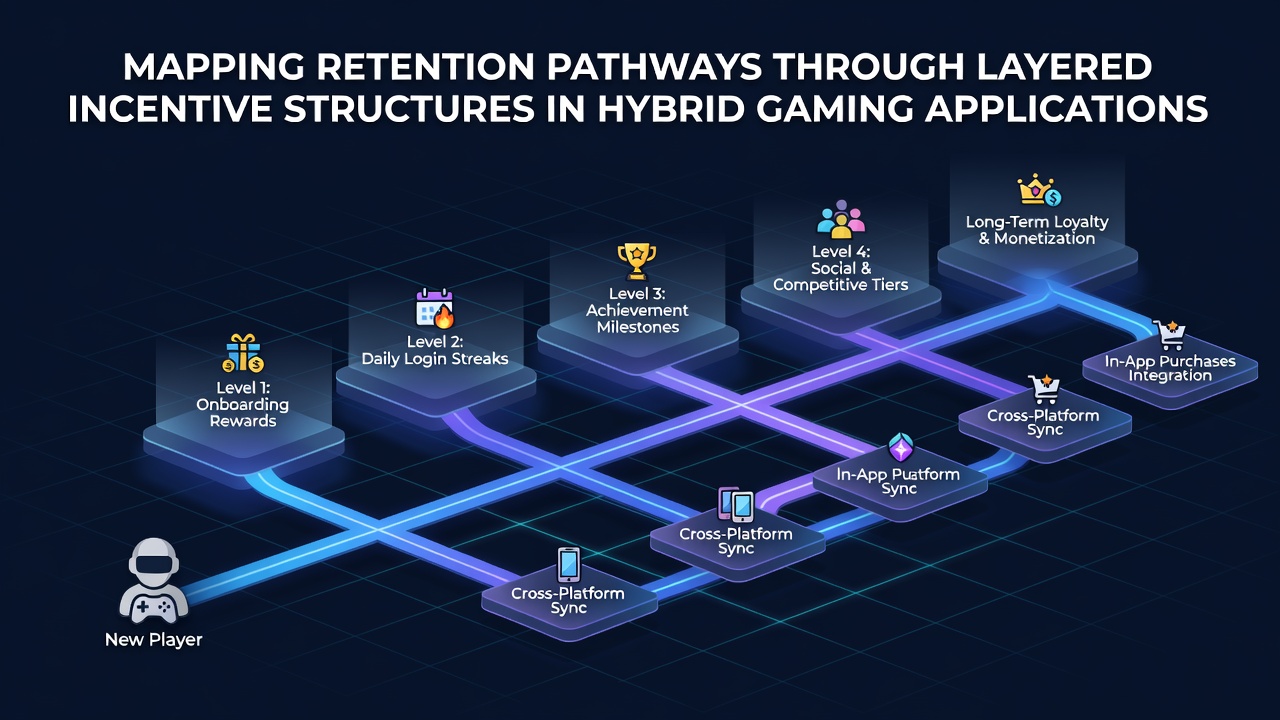
Hybrid gaming applications combine free-to-play mechanics with optional real-money features, and operators map retention pathways by stacking incentives across multiple layers that guide users from initial trial sessions toward sustained participation. Data from industry tracking shows these structures often begin with entry-level rewards such as free credits or spins, then build through daily login bonuses, achievement milestones, and personalized progression tiers that adjust based on individual play patterns.
Core Components of Layered Incentives
Entry layers typically deliver immediate access to practice modes or limited free credits, while mid-tier elements introduce time-limited promotions and cross-format bonuses that encourage movement between reel simulations and poker variants. Top layers incorporate loyalty multipliers and exclusive events that reward consistent cross-device activity, and researchers note these tiers frequently sync via cloud-based profiles so progress carries across smartphones, tablets, and desktop sessions without interruption.
August 2026 figures from multiple platform operators indicate that users who receive sequenced incentives within the first seven days demonstrate higher rates of repeated logins compared with those who encounter only single-layer offers. Observers point out that synchronization between mobile and desktop interfaces reduces friction, allowing accumulated rewards to remain visible and usable regardless of the access point chosen on any given day.
Pathway Mapping Techniques
Analytics teams employ cohort tracking and funnel visualization to identify where users advance or drop off at each incentive stage. One common approach segments players according to initial entry method, then measures how introductory free credits convert into active sessions that unlock the next reward tier. Studies from academic groups have documented that applications using adaptive layering, where bonus values scale with user behavior signals, sustain engagement across longer time windows than static reward schedules.
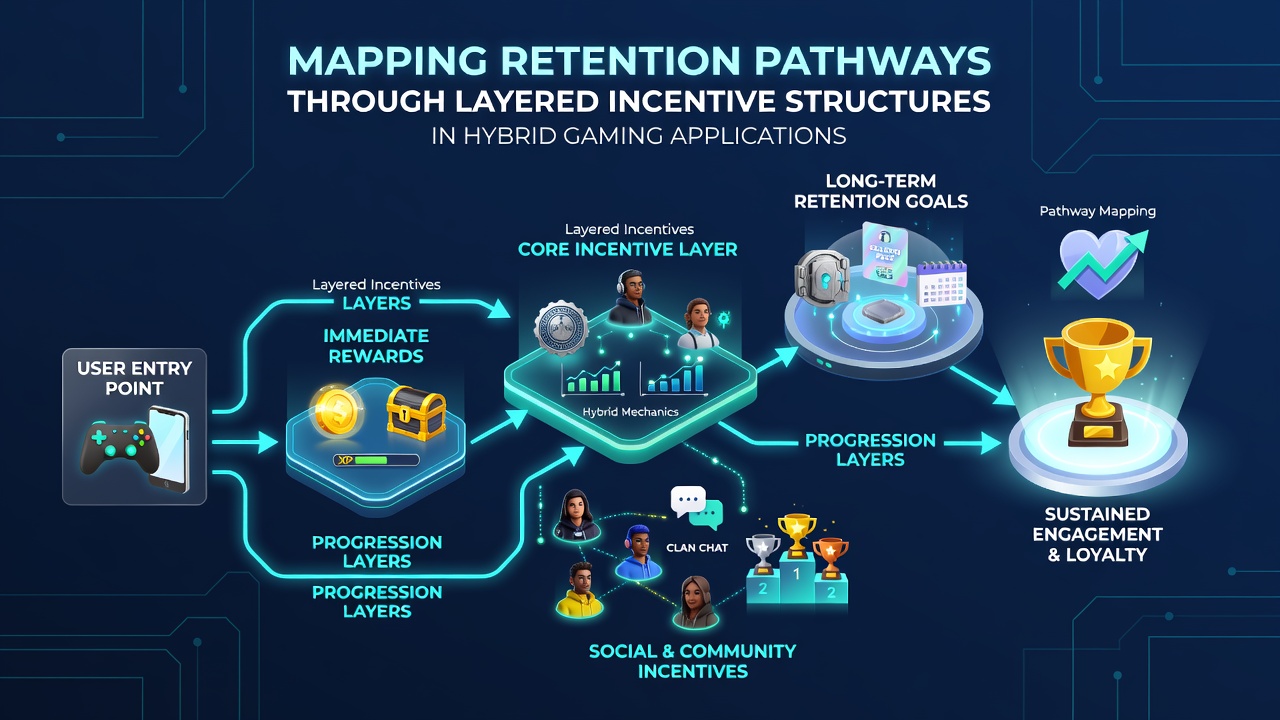
Pathway models also account for seasonal variations and device preferences. Data collected during summer months in 2026 revealed elevated mobile engagement during evening hours, prompting operators to shift certain time-sensitive bonuses toward push notifications optimized for portable screens. Those who analyzed these patterns found that aligning reward delivery with peak usage windows increased the likelihood users would progress from free credits into paid participation.
Cross-Platform Synchronization Effects
Hybrid applications maintain unified player accounts that merge activity across operating systems, and this synchronization supports continuous reward accumulation even when users switch devices mid-session. Reports from regulatory bodies in regions such as Ontario highlight how synchronized systems help maintain transparency around bonus eligibility and spending limits. In parallel, industry groups like the American Gaming Association have compiled metrics showing that unified reward timelines correlate with reduced churn rates during the first thirty days after registration.
Feature cascades, where one completed action automatically triggers the next available incentive, further streamline these pathways. For instance, completing a set number of free spins may unlock a video poker tournament entry, and subsequent wins feed into a shared loyalty pool visible on all linked devices. Observers note that such mechanics create continuous momentum without requiring separate logins or manual claims.
Measurement and Adjustment Practices
Operators refine retention maps through A/B testing of incentive values, timing, and presentation formats. Metrics tracked include session frequency, average duration, and the ratio of free-to-paid transitions within defined cohorts. When conversion rates plateau, teams often introduce new mid-layer elements such as streak multipliers or collaborative challenges that require participation from multiple users. These adjustments draw on aggregated anonymized data rather than individual profiles, preserving privacy standards while still allowing fine-tuning of the overall structure.
August 2026 updates to several major platforms incorporated machine-learning models that predict optimal reward placement based on historical cohort behavior. The models flag moments when users are likely to disengage and insert micro-incentives calibrated to re-engage them before full attrition occurs. Data indicates these predictive interventions have lengthened average user lifecycles in hybrid environments that span both casual and skill-based formats.
Conclusion
Layered incentive structures in hybrid gaming applications function as interconnected pathways that operators monitor and adjust through continuous data collection. Synchronization across devices, adaptive reward scaling, and sequenced feature triggers together shape how users move from trial modes into ongoing engagement. Figures released in 2026 continue to illustrate that well-mapped retention systems produce measurable differences in session consistency and format exploration, while regulatory and industry sources provide frameworks for maintaining compliance and transparency throughout these processes.