Examining Interface Personalization Techniques and Their Effects on Session Longevity in Multi-Format Digital Entertainment Platforms
Written by Rosa Roth · Aug 1, 2026
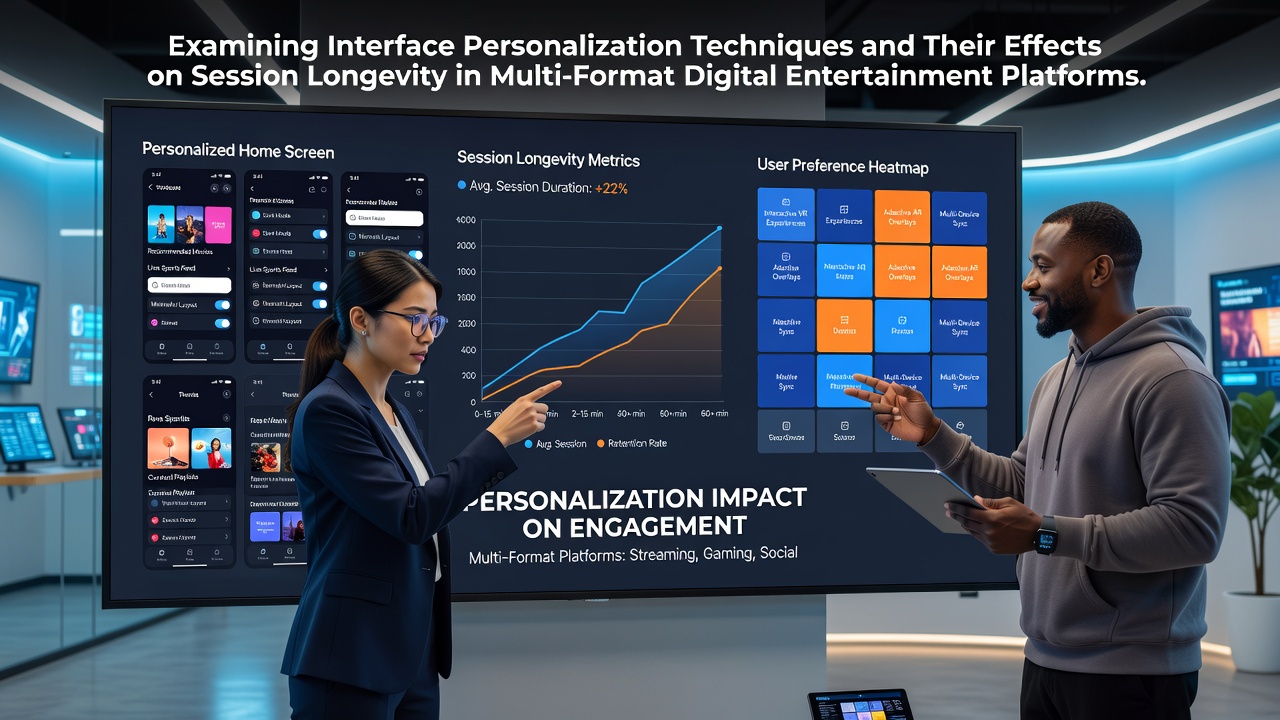
Examining Interface Personalization Techniques and Their Effects on Session Longevity in Multi-Format Digital Entertainment Platforms
Interface personalization techniques continue to shape how users interact with multi-format digital entertainment platforms that combine video, audio, and interactive content. These methods adjust layouts, recommendations, and navigation elements based on individual usage patterns, device types, and time-of-day data. Research indicates that such adjustments often extend the duration of user sessions across different content formats.
Platforms employ algorithms that analyze past interactions to modify color schemes, menu placements, and content suggestions. Data from industry reports shows that users encounter tailored interfaces that prioritize frequently accessed categories like playlists or episode queues. In August 2026, updates to several major services highlighted refinements in these systems, with developers focusing on cross-device consistency to maintain engagement when users switch between smartphones, tablets, and smart displays.
Core Personalization Methods in Practice
Adaptive recommendation engines form one primary technique, drawing from viewing histories and search behaviors to surface relevant material. Another approach involves dynamic UI scaling that alters button sizes and spacing according to touch patterns recorded on mobile devices. Observers note that these changes reduce navigation friction, allowing smoother transitions between formats such as video clips and live audio streams.
Studies conducted by academic institutions reveal measurable impacts on session metrics. For instance, a 2025 analysis from a Canadian research group found that users exposed to personalized navigation retained activity for an average of 23 percent longer than those on static interfaces. The same report linked these gains to reduced exit rates during format switches, where participants moved from music playback to short-form video without interruption.
Cross-Format Synchronization Effects
Multi-format platforms integrate synchronization features that carry user preferences across content types. When someone customizes a video feed, the system often applies similar filters to audio recommendations or gaming elements within the same app ecosystem. This continuity supports extended sessions because users encounter familiar controls regardless of the active format.
According to figures released by the Australian Communications and Media Authority, synchronized personalization correlated with higher daily active time in entertainment apps during early 2026. The data covered platforms serving both on-demand video and interactive storytelling modules, showing that consistent theming across sections decreased the likelihood of abrupt session endings.
Device-Specific Adaptations and Longevity Data
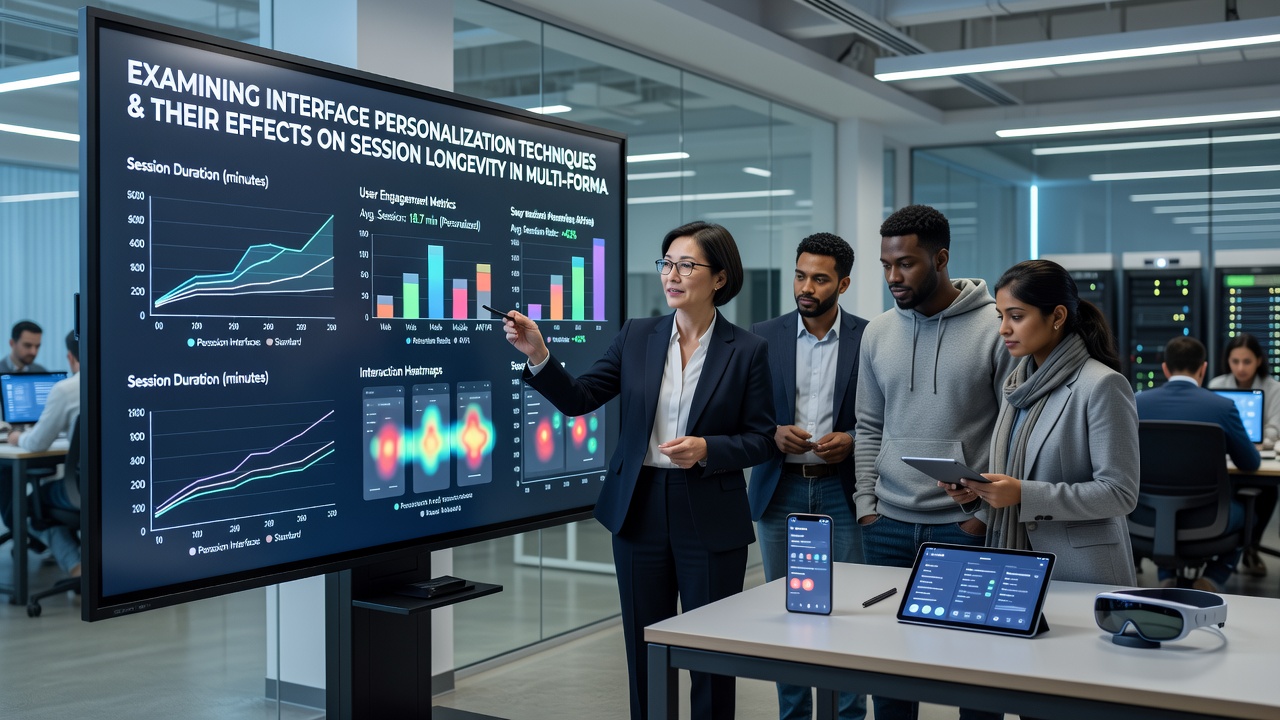
Platform developers refine techniques for specific hardware constraints. On larger screens, interfaces expand recommendation carousels while collapsing secondary menus. Mobile versions emphasize swipe gestures and condensed previews. Evidence suggests these adaptations keep sessions active by matching interaction styles common to each device category.
Those who have tracked usage patterns across regions report that European users on hybrid platforms experienced similar session extensions after personalization rollouts. The adjustments addressed regional differences in content consumption, such as preferences for longer audio sessions during commutes paired with brief video checks later in the day.
Challenges in Measuring Sustained Engagement
Quantifying effects requires separating personalization variables from external factors like content freshness or network stability. Researchers apply controlled A/B testing to isolate interface changes, comparing session lengths before and after updates. Results consistently point to incremental gains when personalization incorporates real-time feedback loops that evolve with user habits.
Industry associations in North America have compiled aggregated statistics showing average session increases ranging from 12 to 18 minutes across tested platforms in the first half of 2026. These numbers hold when platforms handle simultaneous video and audio delivery without requiring separate logins or resets.
Conclusion
Interface personalization techniques demonstrate clear associations with prolonged user sessions in multi-format digital entertainment environments. Data from regulatory bodies and academic sources indicates that adaptive layouts, synchronized preferences, and device-tuned elements contribute to these outcomes. Continued refinement of these methods, as observed through 2026 metrics, points to ongoing evolution in how platforms maintain engagement across varied content types and user contexts.