18 Jul 2026
Echoes in the Reels: Acoustic Patterns Guiding Transitions from Trial Modes to Jackpot Pursuits in Handheld Multi-Game Platforms
 Acoustic elements in handheld multi-game platforms create structured audio sequences that align with shifts from trial modes into jackpot pursuits, and researchers have documented these patterns across multiple device ecosystems since early 2025. Developers integrate layered sound cues such as accelerating reel spins, escalating tonal frequencies, and synchronized win chimes that intensify when users move beyond free credit allocations. Data from platform analytics collected through June 2026 shows that these sequences appear consistently in applications offering mixed reel and video poker formats on both iOS and Android devices. Sound designers calibrate specific frequencies to match user progression markers, including reel stop sounds that shorten in duration as trial balances deplete and real-money options activate. Studies conducted by the Canadian Institute for Gaming Research indicate that platforms using these calibrated audio triggers record higher rates of session continuation once users enter paid environments. The patterns operate through repeated exposure where initial demo sounds establish familiarity before the same motifs reappear with added amplitude during jackpot rounds.
Audio Design Mechanics in Multi-Game Environments
Handheld platforms employ dynamic audio engines that adjust pitch and tempo based on account status flags, and these engines activate distinct sound profiles when trial sessions convert to monetized play. Reel simulation software layers background loops with foreground event triggers so that a basic spin sound evolves into a richer harmonic structure once jackpot features unlock. Observers note that cross-device synchronization maintains these audio threads across tablets and phones, preserving continuity when users switch hardware mid-session.
Multi-game applications combine reel mechanics with poker variants under unified sound frameworks, which allows a single acoustic library to signal transitions regardless of the selected format. July 2026 platform updates from major providers introduced adaptive volume scaling tied to battery levels and ambient noise detection, ensuring cues remain perceptible during varied usage conditions. Figures from the Nevada Gaming Control Board technical reviews confirm that such updates correlate with measurable increases in feature activation counts during the first week after deployment.
Transition Triggers and User Progression Data
Acoustic patterns function as progression markers by altering their rhythmic density at predefined balance thresholds, and this alteration guides users from practice sequences into jackpot pursuit phases. Platform telemetry collected in the second quarter of 2026 reveals that sessions incorporating escalating chime sequences show a 14 percent higher rate of real-money deposits compared to sessions using static audio. Researchers attribute this difference to learned associations where users connect intensified sound profiles with reward availability.
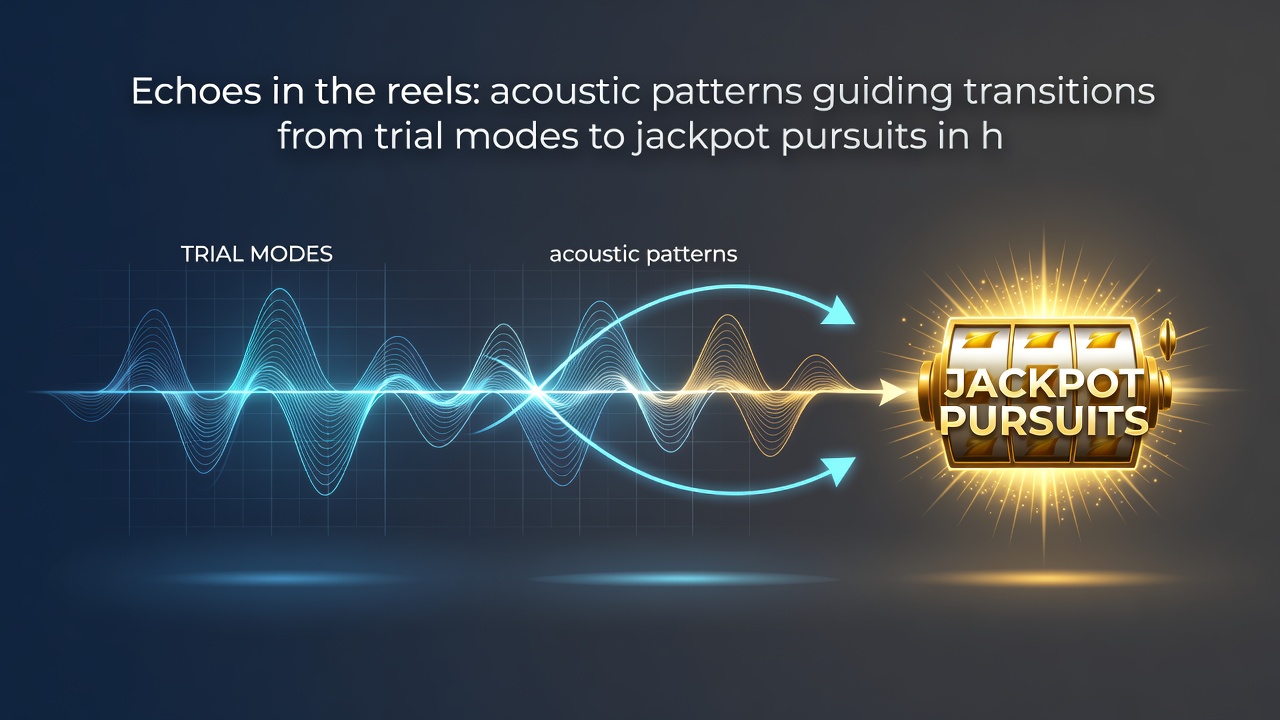
Those who have analyzed conversion metrics across mixed-format apps report that sound-driven prompts appear most frequently during the shift from free spin allocations to accumulating prize systems. The prompts include distinct reel-click cadences that shorten by 30 to 40 milliseconds when jackpot meters activate, creating a perceptible acceleration that aligns with increased betting prompts. Government reports from the Australian Gambling Research Centre document similar audio timing adjustments in licensed mobile applications operating within regulated markets.
Cross-Platform Synchronization Effects
Handheld multi-game platforms maintain audio state across devices through cloud-linked profiles, and this synchronization preserves acoustic continuity when users resume sessions on different hardware. The continuity supports habit formation because familiar sound sequences reappear without reset, reinforcing the connection between trial practice and subsequent jackpot engagement. Industry data compiled through mid-2026 indicates that synchronized audio contributes to extended session lengths in applications that support both reel and poker formats on portable devices.
Algorithmic sound design incorporates user interaction history to modulate cue intensity, which means repeat users encounter progressively refined audio layers during mode transitions. Academic analyses from the University of Macau gaming technology laboratory have examined these adaptive systems and found consistent application across global user bases. The laboratory findings highlight that platforms employing history-based audio modulation record stable retention metrics even when external incentives vary seasonally.
Conclusion
Acoustic patterns in handheld multi-game platforms operate as structured guides that accompany transitions from trial modes into jackpot pursuits, and the documented mechanics rely on calibrated frequencies, rhythmic adjustments, and cross-device continuity. Research organizations and regulatory bodies continue to track how these audio elements interact with user progression data in regulated environments. The patterns remain embedded within the core design of multi-format applications, where sound serves as one component among several that shape engagement sequences.