20 Jun 2026
Decoding Algorithmic Reward Scheduling Effects on Habit Formation in Virtual Reel Ecosystems
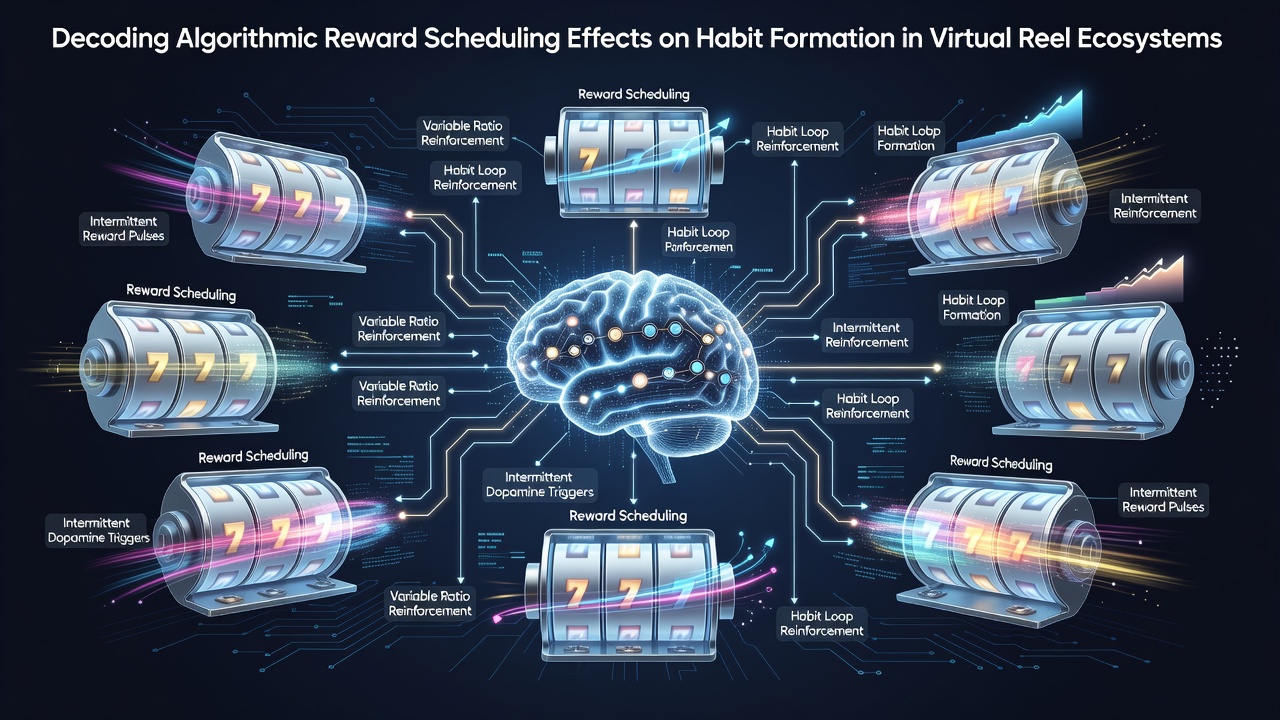
Algorithmic reward scheduling in virtual reel ecosystems relies on variable ratio reinforcement principles that have shaped user behavior patterns across digital platforms since the early 2010s, and researchers continue to track how these systems drive repeated interactions in mobile and desktop applications. Data from multiple studies shows that unpredictable reward intervals, rather than fixed schedules, produce more persistent engagement because users receive wins at irregular intervals that keep anticipation levels elevated throughout sessions.
Core Mechanisms Behind Reward Algorithms
Virtual reel systems operate through programmed sequences that adjust payout frequencies based on session length, user history, and platform goals, while these adjustments occur without direct user awareness of the underlying code. Observers note that near-miss outcomes appear more frequently than statistical norms would predict in certain configurations, and this design element encourages continued spins because the brain registers those near-misses as evidence that a win remains imminent. Studies conducted by academic teams in Canada and Australia indicate that such scheduling extends average session duration by measurable percentages compared to purely random distributions.
Platforms integrate these algorithms with accumulating prize meters and bonus triggers that activate after specific numbers of plays, yet the exact thresholds shift dynamically to maintain unpredictability. In June 2026, several cross-platform applications updated their backend systems to incorporate real-time behavioral data feeds that further refined reward timing across devices, and this synchronization allowed consistent habit reinforcement even when users switched between smartphone and tablet interfaces during a single day.
Habit Formation Patterns Observed in User Data
Longitudinal tracking of user accounts reveals that players exposed to variable ratio schedules develop checking behaviors and return patterns that persist beyond initial trial periods, whereas fixed reward structures produce quicker drop-off rates once the pattern becomes apparent. Those who have analyzed anonymized datasets from multi-format gaming applications report that reward scheduling influences the transition from practice modes to paid sessions, with conversion metrics rising when early wins cluster at irregular intervals. Evidence suggests these effects compound when visual and auditory cues align with payout events, creating stronger associative links in memory.
Cross-Device Synchronization Factors
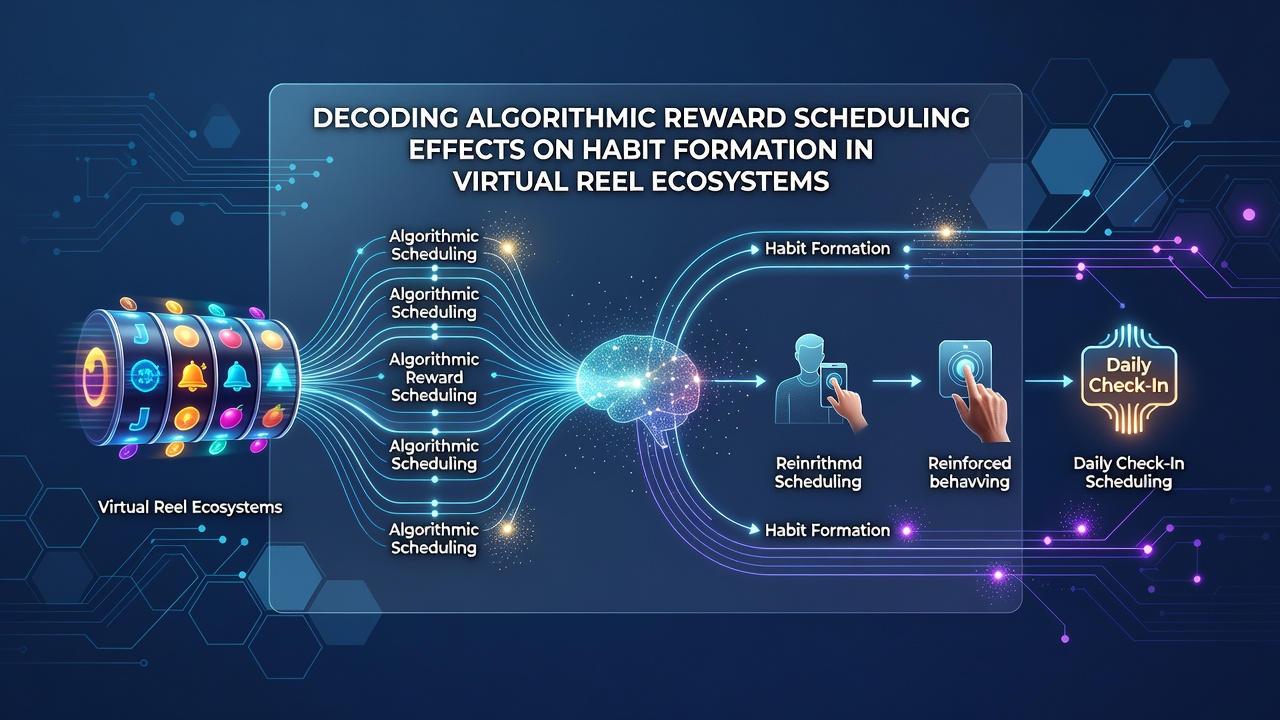
Many ecosystems now maintain user profiles that carry reward history across devices, which means a session started on one platform can influence the next interaction on another without resetting the algorithmic state. This continuity supports habit formation because the anticipation built during one engagement carries forward, and analysts tracking engagement timelines note increased daily active minutes when synchronization remains seamless. Research indicates that interruptions in this continuity, such as delayed data syncs, temporarily reduce return rates until the system reestablishes the prior reward rhythm.
Regional Regulatory Perspectives and Industry Reports
Regulatory bodies in different jurisdictions have begun requesting transparency around reward algorithms, with Australian authorities publishing guidelines on disclosure requirements for electronic gaming mechanics and Canadian provincial commissions examining similar frameworks for online platforms. A report from the Australian Gambling Research Centre examined how scheduling transparency affects player understanding, while data patterns collected through these reviews show correlations between opaque reward timing and extended play sessions. Industry organizations such as the National Center for Responsible Gaming have funded studies that isolate algorithmic variables to measure their isolated impact on habit strength, and findings point to variable ratio structures as stronger predictors of repeated engagement than total prize volume alone.
Take one dataset reviewed by researchers in 2025 that compared two cohorts using identical reel visuals yet different scheduling logic, and the group exposed to more unpredictable rewards recorded higher retention after thirty days. Those patterns hold across age groups and geographic regions according to aggregated figures, although exact percentages vary by platform implementation and promotional overlays that interact with the core algorithm.
Interaction With Accumulating Features and Bonus Systems
Accumulating prize mechanisms often layer on top of base reward scheduling, creating secondary anticipation cycles that reinforce primary habits when users monitor progress toward larger triggers. Observers have documented that these layered systems extend time spent in applications because users track multiple progress bars simultaneously, and the algorithms time the completion of one cycle to coincide with opportunities in another. This interplay produces chained engagement sequences where completion of a bonus round feeds directly into renewed base reel activity without requiring external prompts.
Figures from platform analytics released in early 2026 demonstrate that applications combining variable scheduling with accumulating features see elevated cross-session return rates compared to those using either element in isolation. The combination appears particularly effective when mobile notifications alert users to nearing thresholds, although the core habit reinforcement stems from the unpredictable timing rather than the notification itself.
Conclusion
Algorithmic reward scheduling continues to shape habit formation in virtual reel ecosystems through established behavioral principles applied at scale, and ongoing data collection across regions provides clearer pictures of how these systems function in practice. Regulatory developments and academic examinations supply additional context for understanding the measurable effects on user patterns, while platform updates in 2026 reflect continued refinement of these approaches across devices and formats. The documented relationships between scheduling variability and engagement duration remain central to how these ecosystems operate.