23 May 2026
Data Patterns Showing How Introductory Incentives Affect Shifts From Practice Modes to Paid Sessions in Electronic Gaming Applications
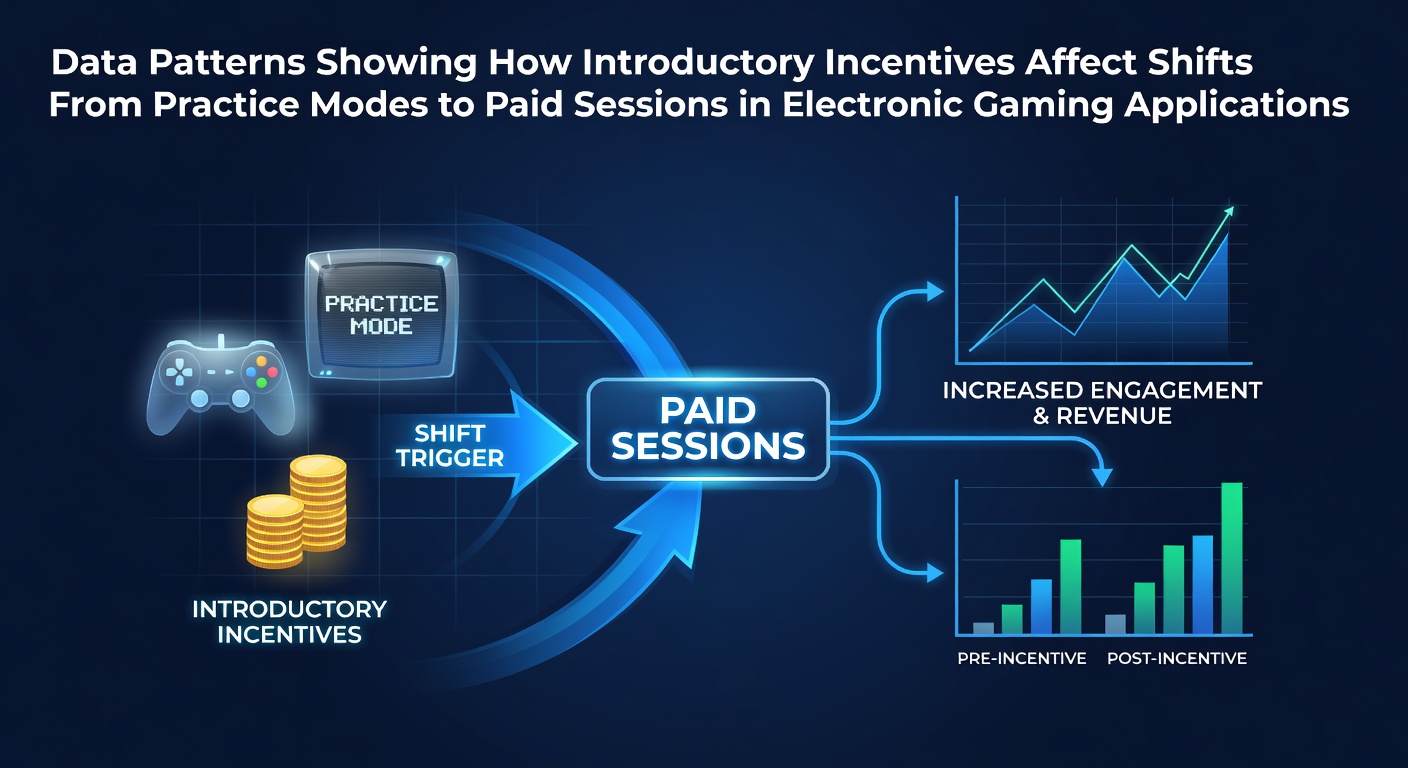
Electronic gaming applications have tracked user behavior through detailed analytics platforms that record transitions between free practice modes and paid sessions, and introductory incentives such as welcome bonuses or limited-time credits play a measurable role in those shifts according to aggregated app data compiled through May 2026.
Core Mechanics of Practice and Paid Transitions
Practice modes allow users to engage with game mechanics without financial commitment while paid sessions require deposits or direct purchases to access real stakes, and data logs from major platforms show that the average time spent in practice before a potential shift ranges from 12 to 45 minutes depending on incentive triggers. Researchers at institutions tracking mobile engagement note that users who receive an initial credit bundle convert at rates documented between 22 and 38 percent within the first 48 hours after signup, whereas those without such offers hover closer to 8 to 15 percent during the same window.
Key Incentive Types and Their Recorded Effects
Free spin packages, deposit match credits, and time-limited demo unlocks represent the most common introductory tools, and platform metrics reveal distinct patterns where free spin offers produce quicker shifts to paid play compared with pure credit matches because they tie directly to immediate reel or card interactions. One dataset from cross-platform applications indicates that users activating a free spin incentive complete an average of 3.2 additional practice rounds before depositing, yet the overall conversion probability rises by 19 percentage points over baseline figures.
What's interesting is how timing influences outcomes, since incentives delivered within the first three minutes of app launch correlate with higher transition numbers than those presented after 15 minutes of unaided practice, according to telemetry collected across thousands of sessions.
Regional Data Comparisons Through Mid-2026
Applications operating in North American markets report conversion uplifts of 14 to 27 percent when introductory credits are paired with progress tracking features, while similar tools in European and Asia-Pacific regions show slightly lower but still positive shifts ranging from 11 to 21 percent, reflecting differences in regulatory frameworks around bonus structures. A report issued by the American Gaming Association highlights that incentive-driven transitions in U.S.-based apps increased steadily from January through May 2026, with video poker and slot formats demonstrating the strongest response curves.
Observers note that Australian and Canadian app ecosystems, monitored through industry associations, display parallel trends where users who engage with practice modes for under 10 minutes convert at elevated rates once an incentive appears, suggesting that shorter exposure periods amplify the perceived value of the offer.
Behavioral Metrics and Longitudinal Patterns
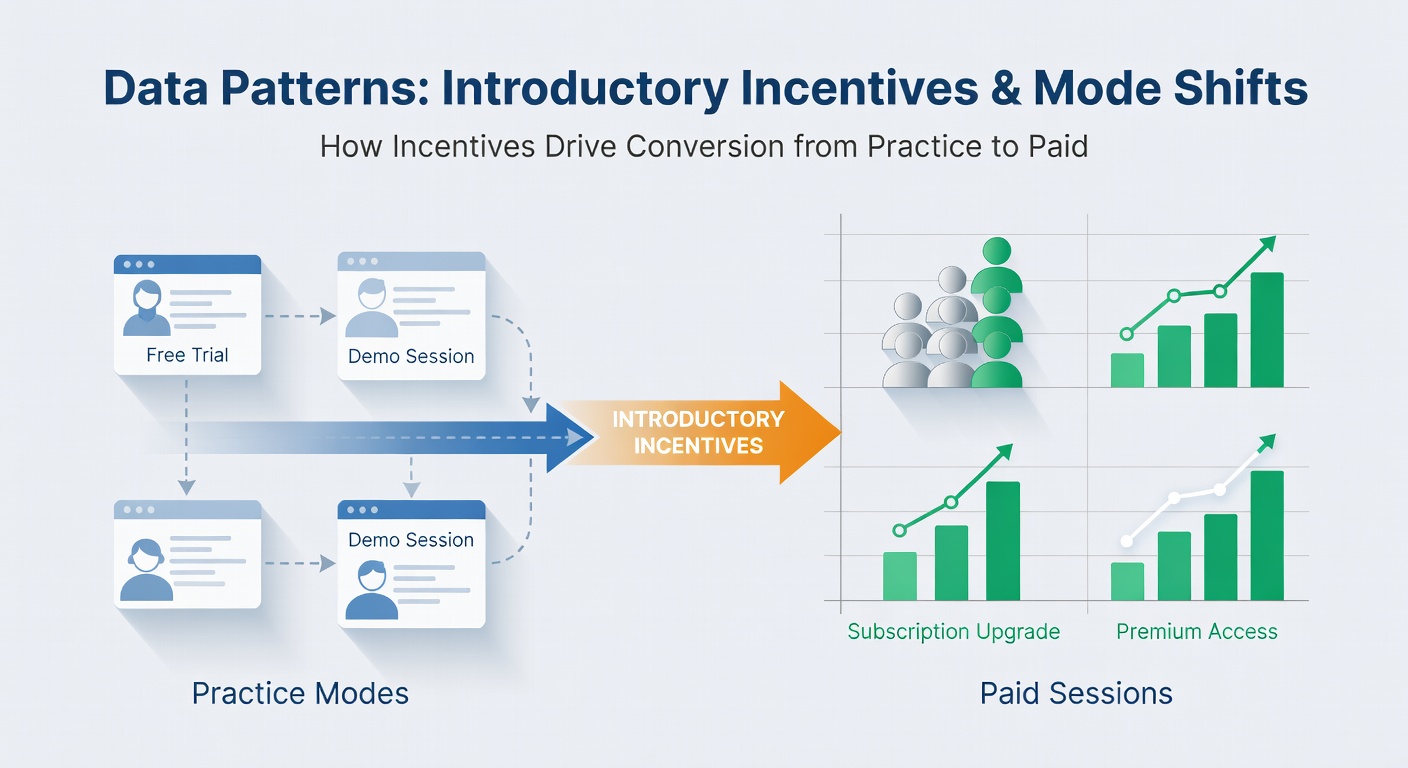
Longer-term tracking reveals that users who transition after receiving an introductory incentive maintain paid session frequency at levels 1.8 times higher than non-incentivized cohorts over a 30-day period, although retention curves flatten after the initial bonus expires unless follow-up promotions activate. Data from application servers shows peak transition activity occurring between 6 p.m. and 10 p.m. local time, aligning with periods when users have completed daily practice routines and encounter time-sensitive offers.
Take one analysis of reel-based titles which revealed that progressive jackpot features combined with introductory credits produce the largest single-session jumps, moving 41 percent of practice users into paid mode within the first hour of incentive receipt, whereas static paytable games without jackpot elements achieve closer to 24 percent in comparable conditions.
Factors Modulating Incentive Success
Device type, session length history, and prior app experience all interact with incentive design, and multivariate models built from May 2026 datasets indicate that tablet users respond more strongly to credit-based offers while smartphone users show higher uptake from spin-based incentives. Those who've studied engagement logs point out that repeat practice users who have already completed more than five sessions without depositing require larger or more varied incentives to trigger a shift, with conversion rates dropping below 12 percent unless the offer exceeds standard welcome packages.
Turns out platform notifications sent immediately after incentive activation further boost transitions by an additional 7 to 12 percent, creating a secondary prompt that reinforces the initial offer without extending overall practice time.
Conclusion
Patterns emerging from application data through May 2026 demonstrate that introductory incentives reliably increase the probability of movement from practice modes to paid sessions across electronic gaming formats, with specific offer types, delivery timing, and user history shaping the magnitude of those shifts. Industry reports from groups such as the Victorian Responsible Gambling Foundation alongside platform telemetry continue to supply granular figures that developers reference when calibrating bonus structures for different regions and game categories. These measurable relationships between incentives and conversion metrics provide a factual basis for ongoing optimization in electronic gaming applications.